Islamic monument · Cairo
Al Ghuri Dome
A Mamluk sultan's monument on Cairo's grand street
- City
- Cairo
- Type
- Islamic monument
- Era
- Late Mamluk (Burji) period, c. 1503–1505 AD
Overview
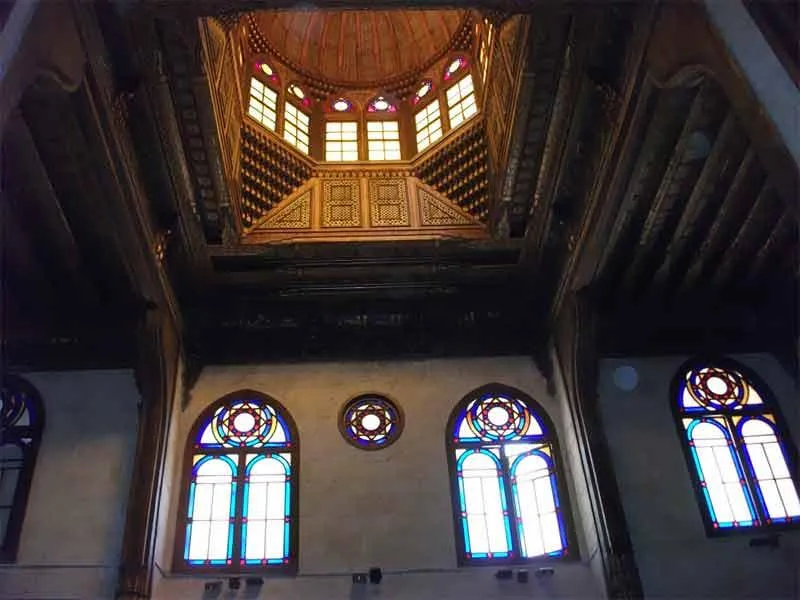
Al Ghuri Dome, known in Arabic as Qubbat al-Ghuri, belongs to a monumental complex built by the Mamluk Sultan Qansuh al-Ghuri in the early 16th century. It stands on Al-Muizz Street in historic Cairo, one of the city's richest streets for medieval architecture. The complex was built in the final years of Mamluk rule and is considered one of the last great architectural projects of the dynasty.
The complex is made up of buildings on both sides of the street. They include a mosque-madrasa, a khanqah (a Sufi lodging and gathering place), a domed mausoleum, and a sabil-kuttab, which combined a public water fountain with a Quranic school. Together they show how Mamluk rulers joined piety, charity, education, and political prestige in a single urban project.
Qansuh al-Ghuri ruled until 1516, when he was killed at the Battle of Marj Dabiq against the Ottomans. His body was never recovered, so the mausoleum built for him never held his remains. Egypt soon became an Ottoman province. Today the complex is a landmark of Islamic Cairo, valued for its refined stonework, its proportions, and its place in the historic streetscape.
What to see
- 01The domed mausoleum, a fine example of late Mamluk funerary architecture
- 02The mosque-madrasa and khanqah facing each other across Al-Muizz Street
- 03The sabil-kuttab, which combined a public water fountain with a children's school
- 04Carved stone façades, decorative details, and a distinctive minaret
Visitor tips
- Opening hours and ticket arrangements can change, so confirm current details with official sources or locally before you go.
- Dress modestly and be ready to remove your shoes if you enter prayer areas. Respect any rules posted on site.
- Combine your visit with a walk along Al-Muizz Street, which has many other Mamluk, Fatimid, and Ottoman monuments close by.
Frequently asked questions
Who built Al Ghuri Dome?
The complex was built by the Mamluk Sultan Qansuh al-Ghuri, who ruled Egypt until 1516. Construction took place in the early 16th century, around 1503–1505.
Is Sultan al-Ghuri buried in the dome?
No. The domed mausoleum was prepared for him, but he died at the Battle of Marj Dabiq in 1516 and his body was never recovered.
Where is Al Ghuri Dome located?
It is on Al-Muizz Street in historic (Islamic) Cairo, in the area near Al-Azhar and Al-Hussein, with the complex's buildings on both sides of the street.