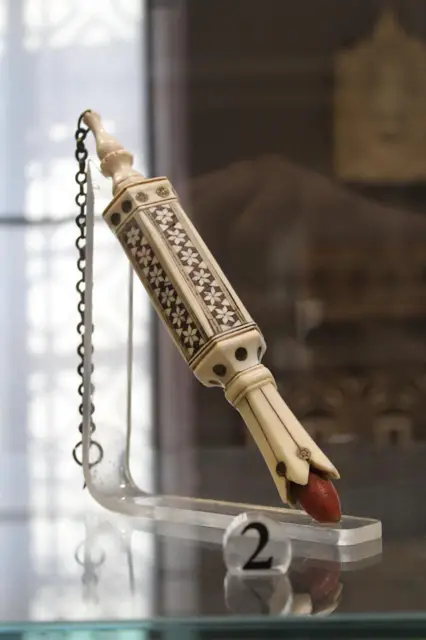
Most Visited Museums & Monuments in Egypt

The most popular museums and monuments in Egypt, from the Giza Pyramids and the Grand Egyptian Museum to Karnak, Abu Simbel and the Valley of the Kings.

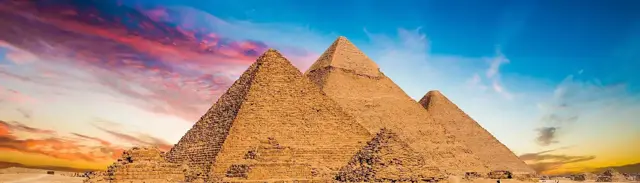
Giza plateau
01

Pyramids & tombsGizaOld Kingdom, Fourth Dynasty, c. 2600–2500 BC

Giza plateau

The Giza plateau is a limestone desert plateau on the west bank of the Nile, on the edge of modern Cairo, and it is home to the best-known monuments of ancient Egypt. In the Fourth Dynasty of the Old Kingdom, around the 26th century BC, kings chose this high ground to build their royal tombs. The result is a vast necropolis of pyramids, temples, causeways and cemeteries that has fascinated travellers for thousands of years.

Read the guide
Grand Egyptian Museum
02

MuseumGizaOpened 2025; collections span prehistory to the Greco-Roman era

Grand Egyptian Museum

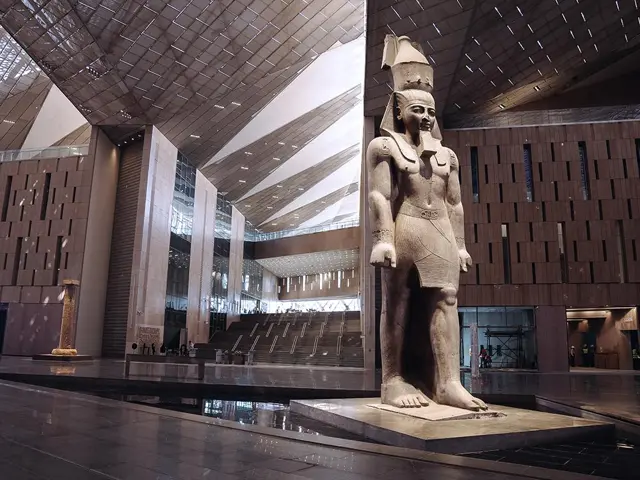
The Grand Egyptian Museum (GEM), known in Arabic as المتحف المصري الكبير, stands on the edge of the Giza Plateau, roughly two kilometres from the Pyramids of Giza. Conceived as Egypt's flagship institution for its ancient heritage, it is widely described as the largest archaeological museum in the world dedicated to a single civilization. Its collections trace Egyptian history from prehistory through the pharaonic, Greek and Roman periods, gathering tens of thousands of objects from sites across the country.

Read the guide
Egyptian Museum
03

MuseumCairoPharaonic to Greco-Roman collections; building opened 1902

Egyptian Museum

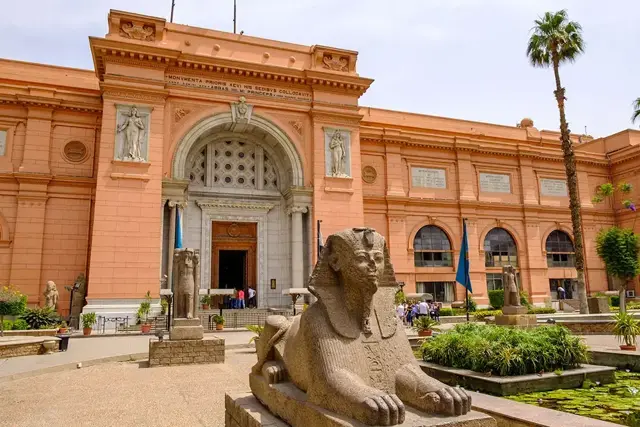
The Egyptian Museum stands on the northern edge of Tahrir Square in central Cairo. It is one of the oldest archaeological museums in the Middle East and a landmark of Egypt's modern cultural life. Its rose-coloured neoclassical building was designed by the French architect Marcel Dourgnon and opened to the public in 1902. The institution grew out of earlier collections assembled by Auguste Mariette, the French Egyptologist who founded Egypt's antiquities service and is buried in the museum's garden.

Read the guide
Karnak Temple
04

TempleLuxorMiddle Kingdom to Ptolemaic era, c. 2000–30 BC (peak in the New Kingdom)

Karnak Temple

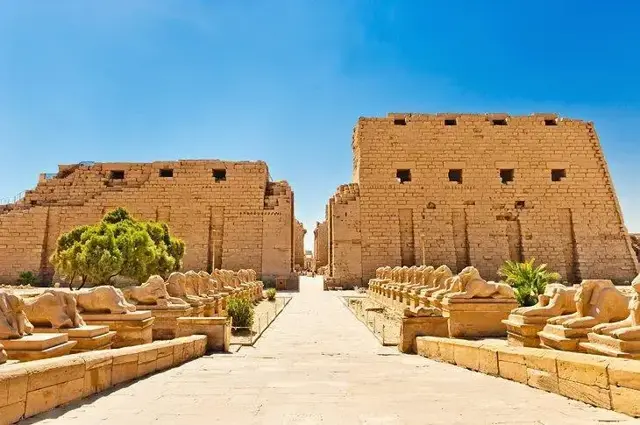
Karnak Temple, known to the ancient Egyptians as Ipet-isut, often translated as the most select of places, is a vast complex of temples, chapels, pylons and obelisks on the east bank of the Nile at Luxor, ancient Thebes. It is among the largest religious sites ever built and served as the principal cult center of the god Amun-Ra. Today visitors walk through a landscape shaped by pharaohs over roughly two thousand years, making it one of Egypt's most important open-air monuments.

Read the guide
Valley Of Kings
05

Pyramids & tombsLuxorNew Kingdom, c. 1539–1075 BC

Valley Of Kings

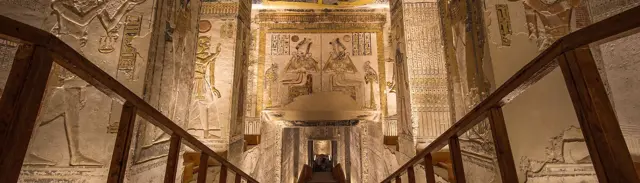
The Valley of the Kings (Wadi al-Muluk) is a royal burial ground on the west bank of the Nile at Thebes, opposite modern Luxor. For around four and a half centuries, pharaohs of the 18th to 20th Dynasties chose this secluded desert valley for their rock-cut tombs, moving away from the freestanding pyramids of earlier eras. The site lies beneath al-Qurn, a pyramid-shaped natural peak that may have reinforced its sacred character.

Read the guide
Abu Simbel Temple
06

TempleAbu SimbelNew Kingdom, 19th Dynasty, 13th century BC

Abu Simbel Temple

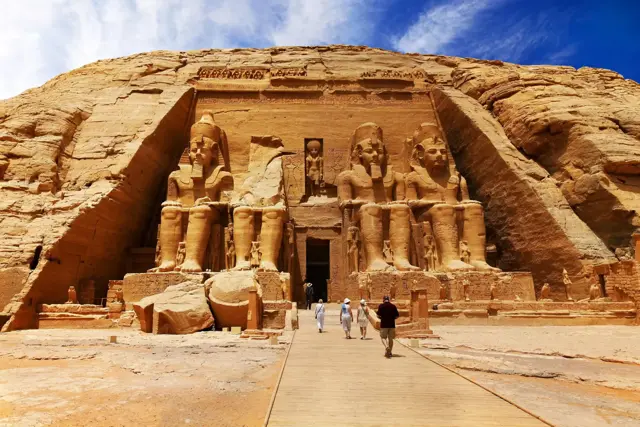
Abu Simbel Temple is a pair of rock-cut temples on the western bank of Lake Nasser in Egypt's far south, close to the Sudanese border. Commissioned by Ramesses II in the 13th century BC, the complex was carved directly into a sandstone cliff to project royal power and religious devotion on Egypt's Nubian frontier. Its imposing façade, guarded by four colossal seated figures of the pharaoh, remains one of the most recognisable images of ancient Egypt.

Read the guide
Luxor Temple
07

TempleLuxorNew Kingdom, c. 1390–1250 BC (with later additions)

Luxor Temple

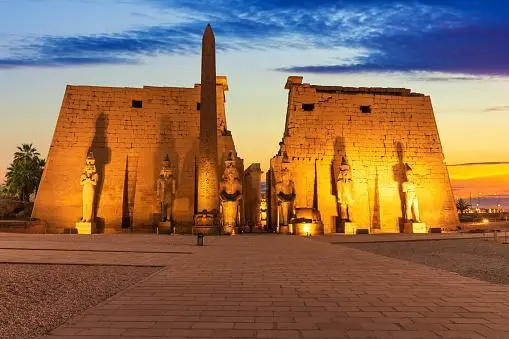
Luxor Temple (معبد الأقصر) stands on the east bank of the Nile in the middle of modern Luxor, ancient Thebes. Unlike many Egyptian temples, it was not mainly a place for a god's daily cult or a king's funerary memory. It was devoted to the renewal of royal kingship and linked to the Theban triad of Amun-Ra, Mut and Khonsu. Its ancient name is usually translated as the "Southern Sanctuary," and it was closely tied to the annual Opet Festival.

Read the guide
Hatshepsut Temple
08

TempleLuxorNew Kingdom, 18th Dynasty (c. 1479–1458 BC)

Hatshepsut Temple

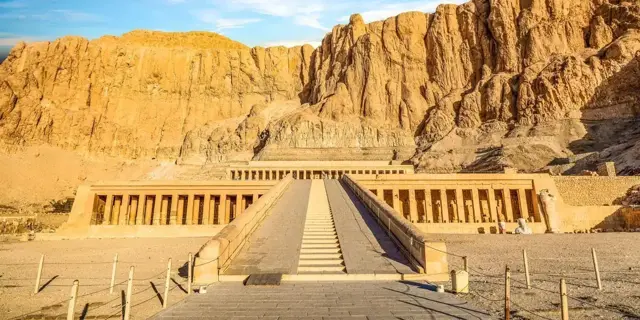
Hatshepsut Temple, known in antiquity as Djeser-Djeseru, meaning "Holiest of the Holy," is the mortuary temple of Queen Hatshepsut, who ruled Egypt as pharaoh during the 18th Dynasty. Set against the limestone cliffs of Deir el-Bahari on Luxor's west bank, it rises in three broad terraces linked by long ramps and fronted by colonnades. Its clean horizontal lines and dramatic desert setting make it one of the most distinctive monuments of ancient Egypt.

Read the guide
Philae Temple
09

TempleAswanPtolemaic and Roman periods, c. 4th century BC – 4th century AD

Philae Temple

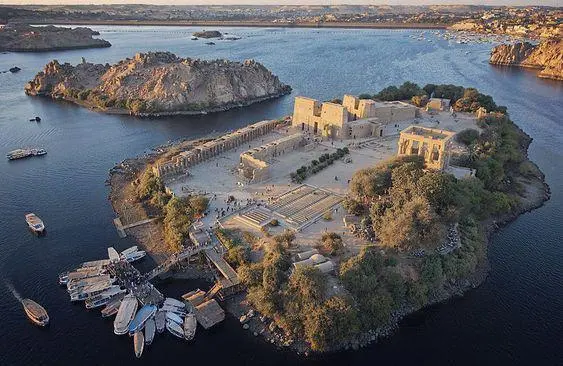
Philae Temple, near Aswan in southern Egypt, is a sanctuary complex dedicated primarily to the goddess Isis. Its buildings date mainly to the Ptolemaic and Roman periods, although the earliest surviving structures are associated with Nectanebo I of the 30th Dynasty. For centuries Philae was one of the most important cult centres of Isis, drawing pilgrims from across Egypt and from Nubia, and its setting among granite rocks and Nile channels made it one of the most picturesque monuments in the country.

Read the guide
Saqqara Monuments
10

Pyramids & tombsGizaEarly Dynastic to Ptolemaic Period, c. 3000–30 BC

Saqqara Monuments

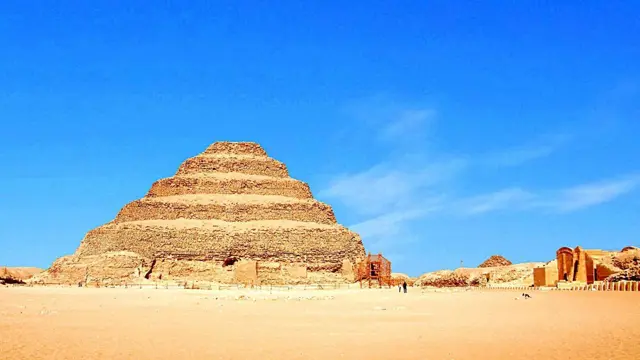
Saqqara is the vast necropolis of ancient Memphis, Egypt's first capital, set on the desert plateau west of the Nile in Giza Governorate. It served as a burial ground for more than three thousand years, from the Early Dynastic Period to the Ptolemaic and Roman eras. Royal pyramids, noble tombs and animal cemeteries share the plateau, making it one of the richest archaeological landscapes in the world. It is part of the UNESCO-listed site Memphis and its Necropolis.

Read the guide
The Temple Of Horus
11

TempleEdfuPtolemaic Period, 237–57 BC

The Temple Of Horus

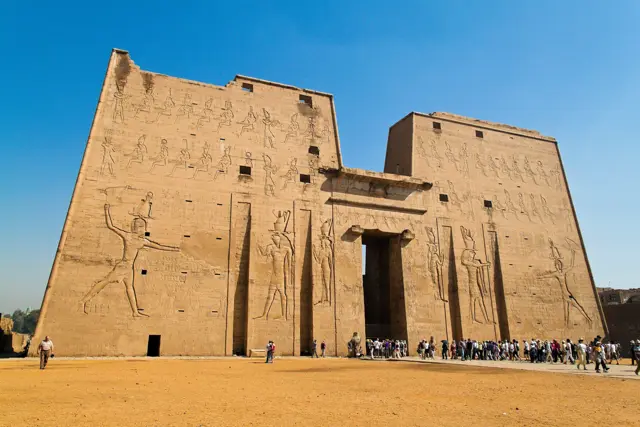
The Temple of Horus at Edfu stands on the west bank of the Nile between Luxor and Aswan. It is one of the best-preserved ancient temples in Egypt. It was dedicated to the falcon god Horus of Behdet and built in the Ptolemaic period, when Greek-descended kings ruled Egypt but presented themselves as traditional pharaohs. The pylon, courtyard, halls and sanctuary survive remarkably complete. Visitors can see how an Egyptian temple was arranged and used, and it is often described as one of the largest temples in the country after Karnak.

Read the guide
Islamic art museum
12

MuseumCairoIslamic art, 7th–19th centuries (building opened 1903)

Islamic art museum

The Museum of Islamic Art in Cairo, known in Arabic as Matḥaf al-Fann al-Islāmī, stands on Port Said Street in the Bab al-Khalq district, on the edge of historic Islamic Cairo. It is widely regarded as one of the most important collections of Islamic art in the world. Its objects come from Egypt and from lands across the Muslim world, including Iran, Turkey, Syria, Iraq, Spain and North Africa. The collection runs from the early Islamic centuries through the Ottoman period and beyond.

Read the guide