Pyramids & tombs · Siwa
Tombs of Gabal al-Mawta
Siwa's rock-cut city of the silent dead
- City
- Siwa
- Type
- Pyramids & tombs
- Era
- Late Period to Ptolemaic and Roman eras, c. 6th century BC – Roman times
Overview
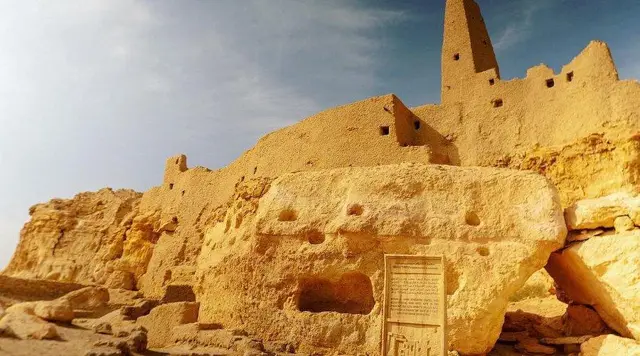
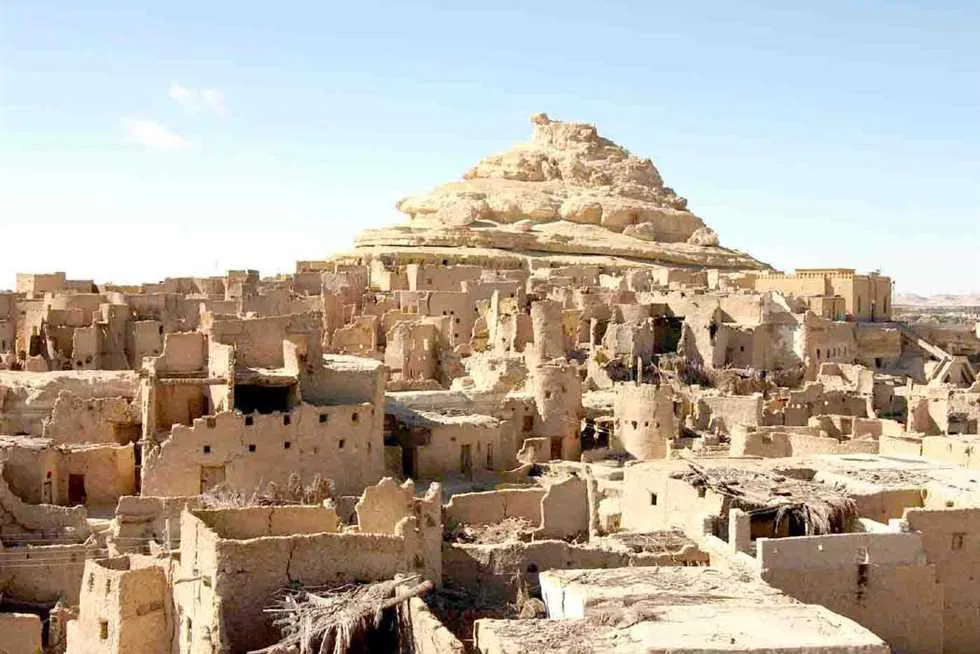
Gabal al-Mawta, meaning "Mountain of the Dead," is a limestone hill just north of Siwa town in Egypt's Western Desert. For centuries the people of the oasis cut burial chambers into its slopes, creating a necropolis that rises above the palm groves and salt lakes. Today it is one of Siwa's most important archaeological landmarks, offering a rare chance to see how an isolated desert community honored its dead far from the Nile Valley.
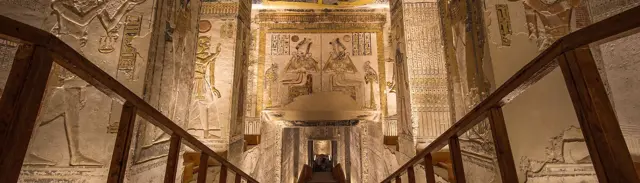
Most of the known tombs date from the Late Period through the Ptolemaic and Roman eras, when Siwa was famous across the Mediterranean world for the oracle of Amun. Some chambers preserve painted scenes that blend Egyptian funerary imagery with local and Greek-influenced styles, reflecting the oasis's position as a crossroads between Egypt, Libya and the wider classical world. Tombs such as that of Si-Amun are among the best known.
Many tombs were looted or reused over the centuries, and the soft rock has suffered from exposure and salt. Even so, the hill remains deeply evocative: honeycombed with dark doorways, it overlooks the oasis and makes a rewarding stop alongside the Temple of the Oracle at Aghurmi and the old fortress of Shali. Access to individual tombs can change, so it is wise to check locally on arrival.
What to see
- 01Rock-cut tombs honeycombing the hill, from simple burial niches to decorated chambers
- 02Painted funerary scenes in selected tombs, such as the Tomb of Si-Amun, showing Egyptian and Greek-influenced styles
- 03Panoramic views over Siwa's palm groves, salt lakes and the old town, especially at sunset
- 04The hill's setting as a necropolis for an oasis once famed for the oracle of Amun
Visitor tips
- Visit in the early morning or late afternoon to avoid midday heat and to enjoy softer light and sunset views.
- Wear sturdy shoes, a hat and sun protection, and bring water, as the hill is exposed and the rock can be uneven.
- Check locally which tombs are open, and do not touch painted surfaces or walls, as they are fragile; a licensed local guide can add helpful context.
Frequently asked questions
What does Gabal al-Mawta mean?
Gabal al-Mawta is Arabic for "Mountain of the Dead." The name refers to the limestone hill near Siwa town that served as a burial ground, with tombs cut into its slopes.
What period are the tombs of Gabal al-Mawta from?
The known tombs mainly date from the Late Period through the Ptolemaic and Roman eras. Some were reused or altered later, so individual tombs may differ in date and style.
Where is Gabal al-Mawta and what can I visit nearby?
It lies just north of Siwa town in Egypt's Western Desert. Nearby attractions include the Temple of the Oracle at Aghurmi, the old Shali fortress, and Siwa's palm groves and salt lakes.