Archaeological site · Aswan
Elephantine Island
Egypt's ancient southern gateway on the Nile
- City
- Aswan
- Era
- Early Dynastic to Roman Period, c. 3000 BC – 4th century AD
Overview
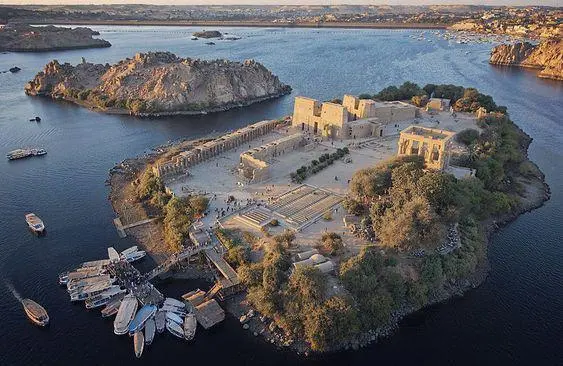
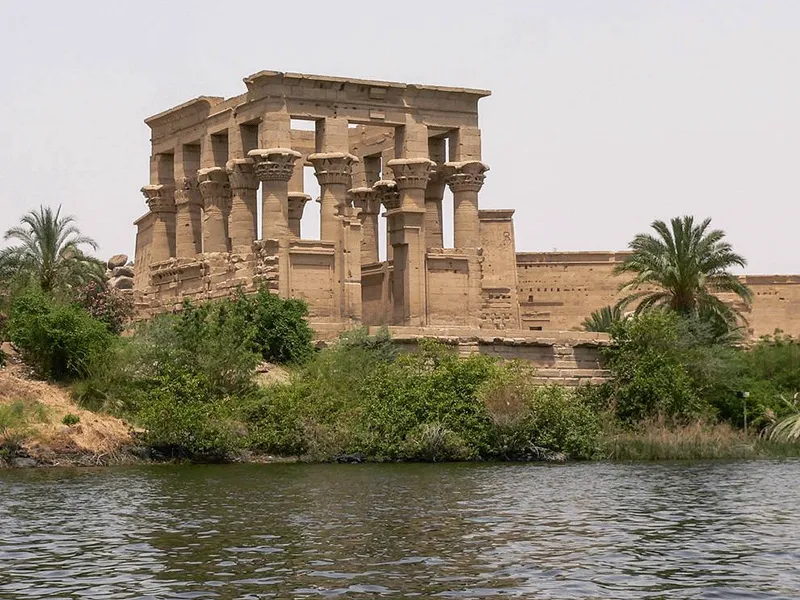
Elephantine Island is a small island in the Nile at Aswan, facing the modern city's corniche. In antiquity it was known as Abu, a name linked to elephants and ivory, and it served as Egypt's southern frontier town and the capital of the first Upper Egyptian nome. Its position beside the First Cataract made it a gateway for trade, expeditions and military campaigns toward Nubia and the African interior for more than three thousand years.
Religion shaped the island's identity. Its main deity was Khnum, the ram-headed god believed to control the Nile's annual inundation, who was worshipped alongside the goddesses Satet and Anuket. Excavations have revealed successive temples, including Satet's shrine, which began as a modest structure among granite boulders and was rebuilt several times. Nearby, a sanctuary honored Heqaib, a Middle Kingdom local governor who was venerated almost like a saint long after his death.
Today the island combines archaeology and living culture. Visitors can see excavated town remains, the Nilometer used to measure the river's height, and the Aswan Museum, housed in a former villa set in gardens. Two Nubian villages, with colorful houses and narrow lanes, occupy part of the island. International teams, including German and Swiss archaeologists, have studied the site for decades, and finds such as Aramaic papyri have shed light on its multicultural past.
What to see
- 01The Nilometer, an ancient stairway structure used to track the Nile's flood level
- 02Remains of the temples of Khnum and Satet, with excavated town ruins around them
- 03The Aswan Museum and its garden, displaying finds from Aswan and Nubia
- 04Nubian villages with lively lanes, painted houses and views across the river
Visitor tips
- Reach the island by public ferry or a felucca from the Aswan corniche, and agree on the arrangements before departing.
- Visit in the morning or late afternoon, as the site is exposed and midday heat can be intense; bring water, a hat and comfortable shoes.
- Opening hours and ticketing for the museum and archaeological area can change, so confirm locally, and ask permission before photographing residents in the villages.
Frequently asked questions
Why is it called Elephantine Island?
The ancient Egyptian name was Abu, linked to elephants and ivory. The Greeks later called it Elephantine, a reflection of its role as a trading point for goods coming from the south.
Where is Elephantine Island and how do you get there?
It lies in the Nile at Aswan, just off the city's east-bank corniche near the First Cataract. Visitors usually cross by local ferry or by felucca, and the journey is short.
What can you see on Elephantine Island?
Main attractions include the Nilometer, the remains of the temples of Khnum and Satet, excavated ancient town areas, the Aswan Museum and its gardens, and the island's Nubian villages.