Overview
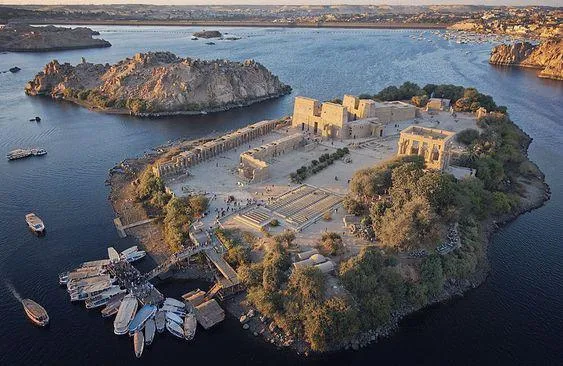
Philae Temple, near Aswan in southern Egypt, is a sanctuary complex dedicated primarily to the goddess Isis. Its buildings date mainly to the Ptolemaic and Roman periods, although the earliest surviving structures are associated with Nectanebo I of the 30th Dynasty. For centuries Philae was one of the most important cult centres of Isis, drawing pilgrims from across Egypt and from Nubia, and its setting among granite rocks and Nile channels made it one of the most picturesque monuments in the country.
The original island of Philae was gradually submerged after the first Aswan Dam was completed in the early twentieth century, and the monuments were visible only for part of the year. After the High Dam was built, a UNESCO-led international campaign dismantled the temples block by block in the 1960s and 1970s and rebuilt them on nearby Agilkia Island, on a site shaped to resemble the original landscape. The relocation is regarded as a landmark in modern heritage conservation.
Philae also tells the story of Egypt's religious transition. Worship of Isis continued here long after it had faded elsewhere, and the latest datable hieroglyphic inscription in Egypt, from 394 AD, was carved on the island. In later centuries parts of the complex were converted to Christian use, and carvings and crosses from this period can still be seen. Today the site belongs to the UNESCO World Heritage listing for the Nubian Monuments from Abu Simbel to Philae.
What to see
- 01The First Pylon of the Temple of Isis, decorated with monumental reliefs of the king before the gods
- 02The Mammisi (birth house), linked to the myth of Isis and the infant Horus
- 03The Kiosk of Trajan, a graceful Roman-era pavilion on the island's edge and a symbol of Philae
- 04The Temple of Hathor and the Gate of Hadrian, with fine reliefs and later Christian-era carvings
Visitor tips
- The temple stands on an island, so you reach it by a short motorboat ride from the landing point near Aswan; agree on boat arrangements clearly before departing.
- Bring sun protection and water, and visit earlier in the day when it is cooler and the light is good for photography.
- Check current opening hours, ticket prices and whether the evening sound and light show is running with official sources or your hotel, as these can change.
Frequently asked questions
What is Philae Temple dedicated to?
Philae Temple is dedicated mainly to the goddess Isis, who was worshipped here as a great mother and protective deity. The complex also includes shrines and structures linked to other deities, such as Hathor, and to Roman emperors.
Why was Philae Temple moved to Agilkia Island?
After the Aswan dams raised water levels, the original island of Philae was repeatedly flooded and later threatened with permanent submersion. In the 1960s and 1970s an international UNESCO campaign dismantled the temples and reassembled them on higher ground at Agilkia Island.
How do you get to Philae Temple?
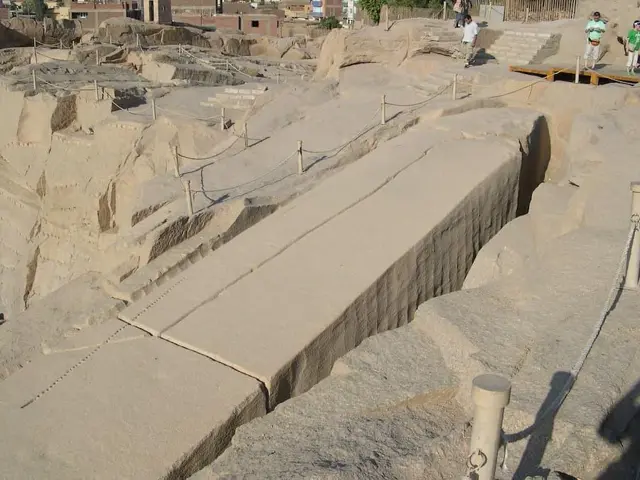
Visitors travel from Aswan to a boat landing and then take a short motorboat ride to Agilkia Island, where the temple now stands. Many tours combine it with the High Dam and the Unfinished Obelisk.