Overview
The Nubia Museum (متحف النوبة) stands on a hillside in Aswan, overlooking the Nile and the granite landscape of Egypt's far south. Opened in the late 1990s, it was created to present the history and culture of Nubia, the region along the Nile between southern Egypt and northern Sudan. Its creation is linked to the international Nubian Campaign led by UNESCO, launched when the building of the Aswan High Dam threatened ancient sites and Nubian communities.
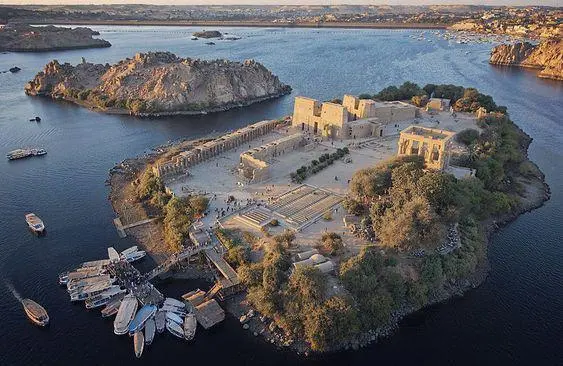
The collection covers a vast timeline, from prehistoric tools and rock art through the Pharaonic, Greco-Roman, Coptic and Islamic periods, down to modern Nubian life. Rather than focusing only on royal treasures, the displays explain how people lived along the river: their crafts, homes, burial customs and beliefs. Models and photographs also recall the temples and villages that were moved or flooded when Lake Nasser formed, giving context to monuments such as Abu Simbel and Philae.
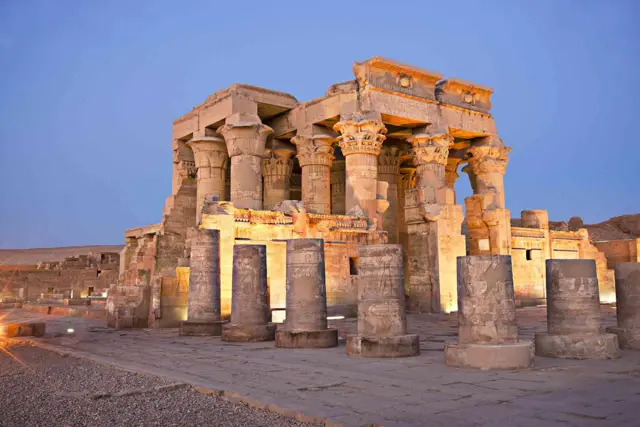
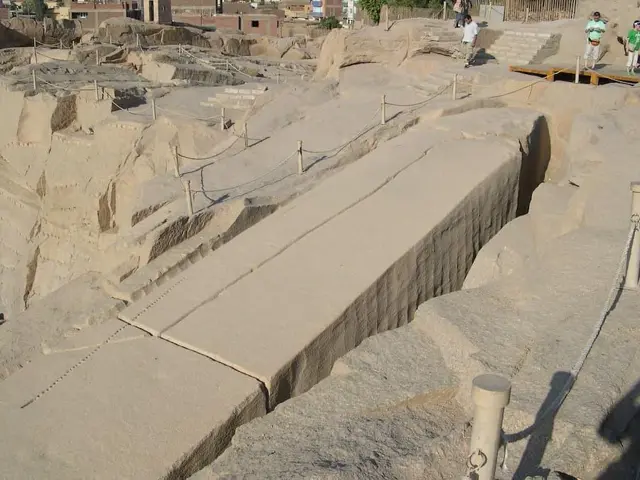
Beyond the galleries, the museum grounds include landscaped gardens and outdoor displays, and the building blends modern design with forms inspired by Nubian architecture. It makes an ideal first stop in Aswan before visiting Philae Temple or the Nile islands, because it clarifies who the Nubians were and why their heritage matters. It also presents Nubian identity as a living culture, not only a chapter of ancient history.
What to see
- 01Prehistoric galleries with early tools and rock-art traditions of the Nile Valley
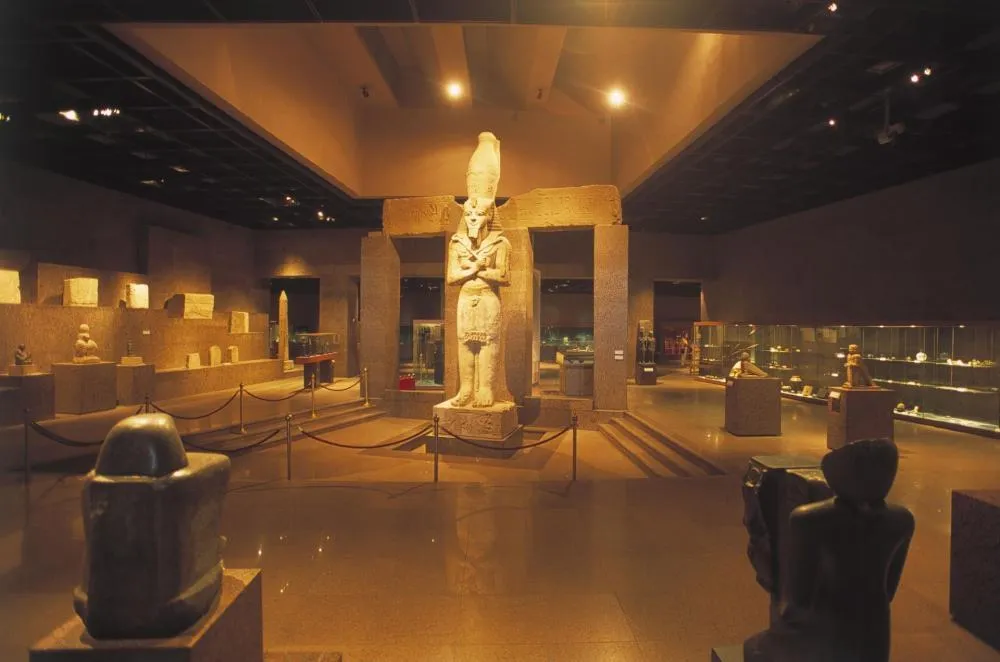
- 02Pharaonic-era statues and objects showing Egypt's long relationship with Nubia
- 03Coptic and Islamic sections revealing the region's later religious and cultural history
- 04Models and displays on Nubian homes, daily life and the monuments rescued by the Nubian Campaign
Visitor tips
- Visit before Philae, Abu Simbel or Lake Nasser sites, since the museum gives helpful background on why those monuments were relocated.
- Check current opening hours, ticket prices and photography rules locally or at the ticket office before you go, as these can change.
- Allow time for the gardens and outdoor areas, and wear comfortable shoes and sun protection, since Aswan can be very hot.
Frequently asked questions
What is the Nubia Museum in Aswan?
The Nubia Museum is a museum in Aswan dedicated to the history, art and culture of Nubia, from prehistoric times through the Pharaonic, Coptic and Islamic periods to modern Nubian life.
Why was the Nubia Museum built?
It was created in connection with the international Nubian Campaign led by UNESCO, which responded to the impact of the Aswan High Dam and Lake Nasser on Nubian monuments and communities, and aims to preserve and present that heritage.
Is the Nubia Museum worth visiting before other Aswan sites?
Yes. Visiting first helps you understand Nubian history and the relocation of monuments such as Philae and Abu Simbel, which makes later temple visits more meaningful.