Islamic monument · El-bahira
Rosetta City Monuments
Where the Rosetta Stone's story began on the Nile
- City
- El-bahira
- Type
- Islamic monument
- Era
- Mamluk and Ottoman periods, 15th–19th centuries AD
Overview
Rosetta, known in Arabic as Rashid, is a historic port city in Egypt's Beheira Governorate, where the Rosetta branch of the Nile approaches the Mediterranean Sea. It is famous worldwide for the Rosetta Stone, but it is also an open-air museum of Islamic-era architecture. Its lanes preserve mosques, bathhouses, mills and merchant houses. They reflect centuries of trade, when Rosetta served as an important gateway linking the Nile Delta with Alexandria and the wider Mediterranean world.
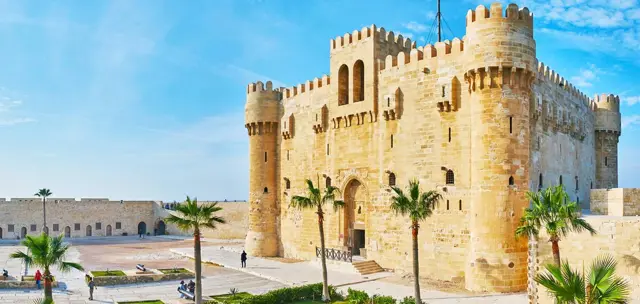
The Rosetta Stone was found in 1799, during the French expedition to Egypt, by soldiers working on an old fort near the town. The French called the fort Fort Julien, and it is known locally as the Qaitbay Citadel of Rashid. The stone carries a decree issued in 196 BC, written in hieroglyphic, Demotic and Greek. This comparison of scripts helped Jean-François Champollion announce his decipherment of hieroglyphs in 1822. The original has been in the British Museum in London since 1802, yet the town remains inseparably tied to the stone's name.
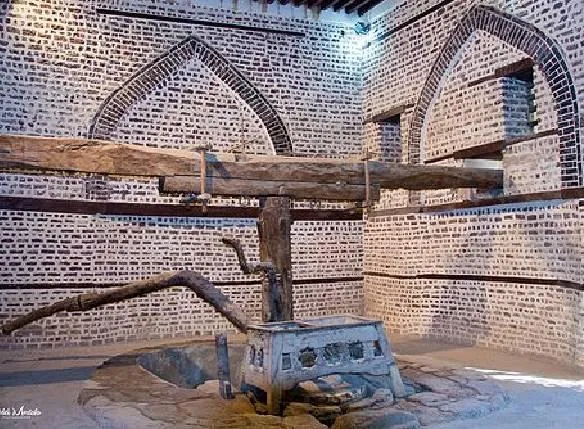
Today visitors come to Rosetta for its Mamluk and Ottoman heritage. The citadel recalls the late medieval defence of Egypt's northern coast. Many traditional houses date from the Ottoman era, with decorative red and black brickwork, carved wooden mashrabiya screens and inner courtyards. Older mosques with forests of reused columns and a bathhouse complete the picture. Together they make Rashid one of the Delta's best places to see how a historic river port looked and lived.
What to see
- 01Qaitbay Citadel (Fort Julien), the late 15th-century fortress linked to the discovery of the Rosetta Stone
- 02Ottoman merchant houses such as the Arab Kili and Amasyali houses, with brick patterns, mashrabiya and courtyards
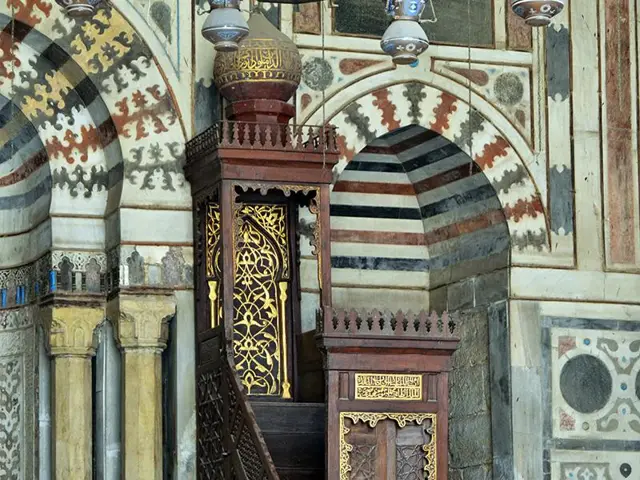
- 03Historic mosques such as Abu Mandur and Zaghloul, with their columns and traditional layouts
- 04Hammam Azouz and the old quarters, which show daily life in Ottoman-era Rashid
Visitor tips
- Confirm opening days and ticket details locally before you go, as arrangements at historic houses and sites can change.
- Wear comfortable shoes for narrow, uneven lanes. Dress modestly and be ready to remove your shoes when entering mosques.
- Plan a full day. The Nile riverside, the old quarters and the citadel are best explored on foot, and can be combined with a trip from Alexandria.
Frequently asked questions
Where is Rosetta (Rashid) and what is it known for?
Rosetta, or Rashid, is a historic port city in Beheira Governorate in northern Egypt, near where the Nile's Rosetta branch meets the Mediterranean. It is best known as the place linked to the discovery of the Rosetta Stone in 1799, and for its Ottoman-era houses, mosques and citadel.
Is the Rosetta Stone in Rosetta?
No. The original Rosetta Stone has been in the British Museum in London since 1802. Rosetta itself is where it was found, and the town preserves the citadel and historic quarters tied to that discovery.
What can I see in Rosetta's historic city?
Visitors can see Qaitbay Citadel, Ottoman merchant houses with mashrabiya and decorative brickwork, historic mosques such as Abu Mandur and Zaghloul, and Hammam Azouz. The Nile riverfront and old lanes add to the experience.